Jakarta (The Indonesian News) – President Prabowo Subianto has raised concerns about underinvoicing practices in Indonesia that are suspected of costing the state hundreds of trillions of rupiah annually over several decades, Coordinating Minister for Law, Human Rights, Immigration and Corrections Yusril Ihza Mahendra said Monday.
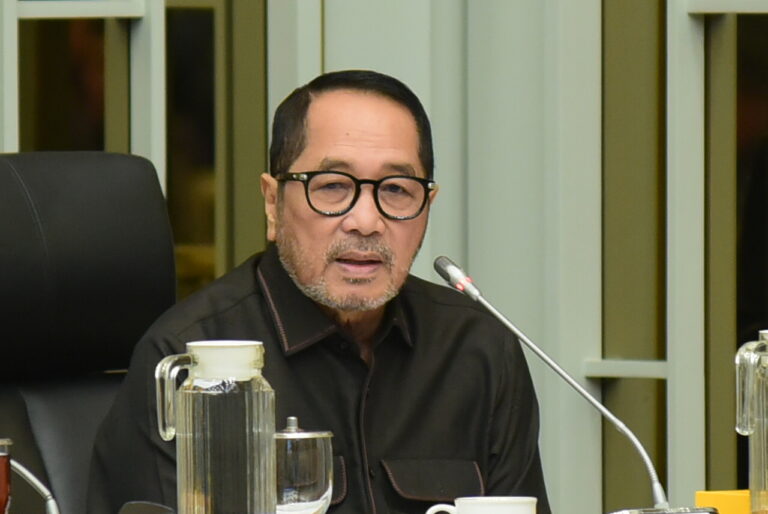
Yusril made the remarks after meeting Prabowo at Merdeka Palace in Jakarta on Monday, October 26.
He said the meeting addressed the manipulation of mining production reports and illegal fishing, both of which were described as channels through which Indonesia’s natural wealth flows overseas through underinvoicing.
“One issue we discussed with the president was underinvoicing by businesses in the mining sector and by people who steal fish from our waters. The amounts involved are enormous—hundreds of trillions of rupiah every year,” Yusril said.
Underinvoicing involves declaring the value or quantity of goods at less than their actual levels, including in production and export activities.
Such practices can reduce government revenue and leave part of the economic value generated by natural resources unreported.
Yusril cited mining companies that produce tens of thousands of tons of commodities but report only a portion of their actual output to the government.
“Suppose they mine 20,000 tons but report only 10,000 or 15,000. The money has been flowing out of the country for years,” he said.
According to Yusril, these practices have received less public attention than corruption cases involving the abuse of public office or bribes paid to government officials.
Yet export manipulation, dishonest trading practices and the theft of natural resources can inflict substantial economic losses, he said.
“Our people have not fully realized how serious this problem is or how urgently we need to address it,” Yusril said.
He stressed that law enforcement should not focus exclusively on corruption involving public officials. Illegal activities that drain the country’s natural wealth and undermine the national economy also deserve serious scrutiny.
“We must not overlook activities such as underinvoicing and illegal fishing, which also drain our nation’s wealth,” he said.
Yusril noted that Indonesia’s anti-corruption laws already recognize losses to state finances and losses to the national economy as relevant legal concepts.
However, he argued that the economic-loss dimension still needs to be developed more fully in law enforcement.
“The concept of losses to the national economy is, in my view, an area that has not yet been sufficiently developed,” he said.
He said cases involving illegal fishing and the falsification of mining production reports that demonstrably harm the national economy should be examined to determine whether they could be prosecuted under anti-corruption laws.
“If someone engages in illegal fishing or underinvoicing in the mining sector and clearly harms the national economy, then that should also fall under the category of corruption,” Yusril said.
Source: Press Release of the Government Communications Agency of the Republic of Indonesia (Bakom RI)